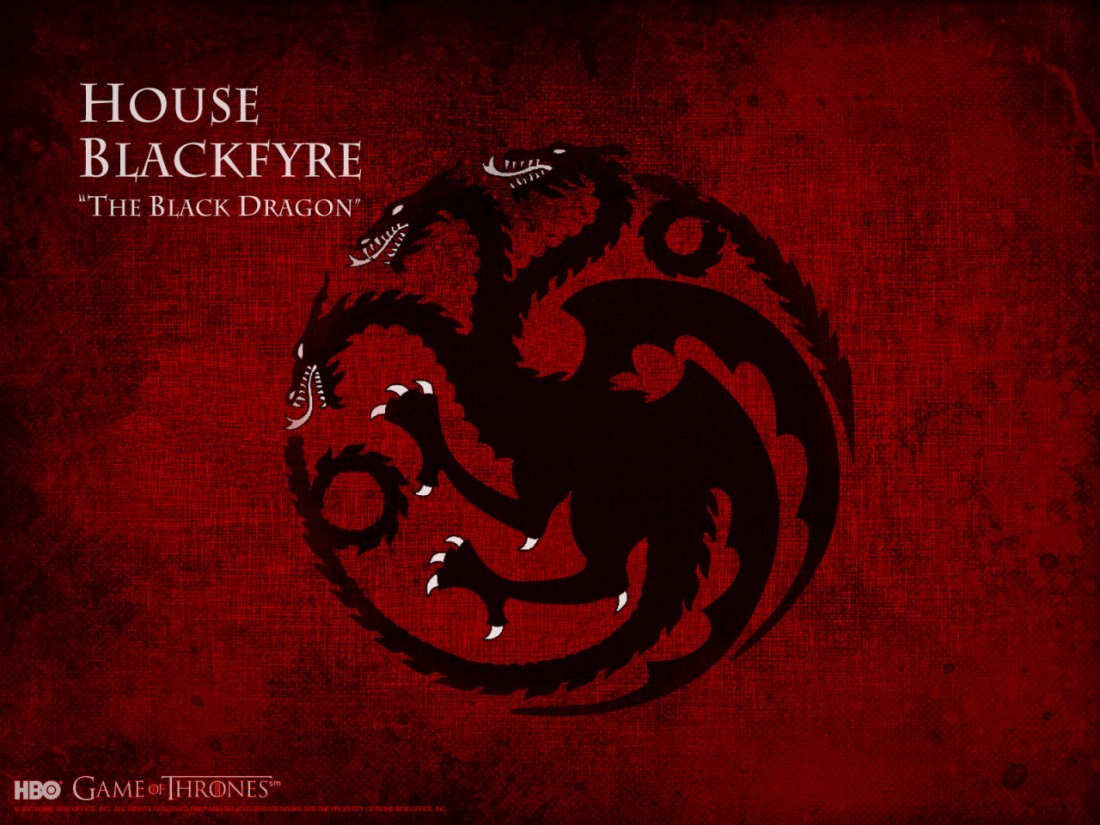
Is Daeron II’s claim to the throne purely de facto? Once Daemon is legitimate, his claim through his mother should precede Daeron’s being the elder son of their father, right? How would such a claim compare to that of the Mortimers vs. the House of Lancaster? If Daemon’s original bastard status still counts, what is the point of legitimization? Why were the Beauforts legitimized if they were excepted from the royal succession?

Let’s say for the sake of argument that, for some reason, a Great Council had been called in 184 to settle the succession. How would the various claims stack out?

  • Primogeniture: clearly favors Daeron, who was born in 153 AC, whereas Daemon was born in 170 AC. (Among the other Great Bastards, Aegor was born in 172, and Bloodraven in 175). This is one of the reasons why the Blackfyres had to allege that Daeron “Falseborn” was not Aegon IV’s son – if they’re both legitimate, Daeron clearly comes first.
  • Proximity: now this might favor Daemon. Both men are sons of Aegon IV, but Daeron is the son of Naerys (daughter of Viserys II), and Daemon is the son of Daena (daughter of Aegon III). Since Aegon III came first, that would indicate that Daemon’s claim might be superior. (On the other hand, just as when the Lancastrians pointed to the recency of Henry V and Henry IV as opposed to the Yorkists going back to the sons of Edward III, this could be a contested issue). However, since the Great Council of 101 declared the female line irrelevant for succession purposes, this would probably be a wash.

As to the Wars of the Roses: I would say that Daemon’s claim would be a good bit more proximate than the Mortimer claim, since Edmund Mortimer was the great-grandson of Edward III’s second son Lionel of Antwerp (through the female line) and was only heir presumptive when Richard II was deposed, and by the time you get to Henry VI vs. Richard Duke of York you’ve got a lot of interposing kings. At the same time, the Yorkists also pointed to the direct male claim through Edward III’s fourth son Edmund of Langley. 

As for the Beaufort claim, I talked about it here and here

Why was it that Bloodraven was loyal to Daeron? Was Daeron the brother he loved?

Re your first question: I think I’ve discussed this before (check the archives, or the guest appearances I did on History of Westeros), but I think it was a combination of any number of the following factors:

  1. Bloodraven agreed with Daeron’s politics/thought that Daeron was the better administrator.
  2. Bloodraven thought that disinheriting Daeron and ending the legitimate male line of House Targaryen was dangerous and destabilizing.
  3. Bloodraven did not want Bittersteel anywhere near government.
  4. Boodraven owed Daeron for protecting him and his mother at court when he was a child, so was returning the favor.
  5. Boodraven saw a chance for advancement under Daeron, parlaying his support into becoming Master of Whispers and other offices.

Re your second question: no, I think it works better if he loved Daemon but fought against him.

So…what’s the deal with Aegon IV legitimizing his bastards? A “fuck you” to his heir, or just another symptom of his YOLO lifestyle? Even for a guy as amoral as A the U, it seems kind of stupid.

Let’s start by saying that GRRM seems bound and determine to leave the question of whether Aegon IV actually wanted to name Daemon his rightful heir a mystery of history, so ultimately this is a bit unresolvable. At the same time, though, Aegon IV did go to some effort to throw the whole question into doubt. 

It does seem that it was bound up in a lot of personal and political things. Personally, Aegon was horribly ill-suited for a relationship with Naerys, probably viewed his marriage as a puniushment from his eternally disapproving father, and had huge ongoing problems with Aemon’s relationship with her. Whether those problems were rooted in his ongoing Goofus and Gallant relationship with his Dragonknight brother, a genuine belief that physical adultery had happened (remember Lancelot!), or an undeniable truth that what we would today call emotional infidelity was going on, I don’t know. So when Daeron becomes so close to Aemon, I think his mind would be predisposed to look in that direction. 

Moreover, Aegon IV was, like his historical counterpart Henry VIII, a former jock who had nothing in common with his son Daeron – whereas he showed a lot more interest in his sons Aegor and Daemon who were talented warriors. Thus, I think we could say that regardless of their paternity and legitimacy, Daeron was Aemon’s spiritual son and Daemon was Aegon’s spiritual son. 

But, as I argue here, we can’t ignore the politics. Aegon IV was a veteran of Daeron’s Conquest who had a severe reaction to Daeron I’s murder (handing over Cassella Vaith to be executed), and then his son was married off to the Martells without his say-so. And as he grew older, his son’s Dornish marriage both gave him an independent power base with which to oppose his father and made him a vocal Dornish partisan who fought every attempt by Aegon IV to avenge his cousin’s murder and win glory for himself. What king or crown prince would look at a crown prince actively opposing him on public policy as anything but an attempt to supplant them? In that light, his son’s un-filial disobedience and quasi-treasonous love of the enemy would have seemed like political bastardy, even if physical bastardy could not be proved.

At the same time, Daemon had been raised by Daena the Defiant, who had shared his admiration of Daeron I. Daemon was a military prodigy who was every inch the Valyrian dreamboat that Aegon had been in his youth, who probably had been raised with the belief that it was his mission to complete the unfinished work of his uncle and father. Here was everything that Aegon wanted in a son and heir, and unlike his other dalliances, Daemon was indisputably Targaryen on both sides. The only thing preventing him from being the perfect heir was his bastardy, and a king could do something about that.