In your essay on Dorne, you suggest that Vorian Dayne came after Davos Dayne. Which is a big surprise 1- Vorian would be far more plausible as the king who was eventually defeated and sent to the Wall, with Davos succeeding him as leader of the Dayne household. 2-If Vorian was sent to the Wall for leading a failed rebellion after the consolidation of the Martell as rulers of Dorne, it seems to me very unlikely that he would be sent with the status of king

cle-guy:

racefortheironthrone:

Looked at the text yet again, and I think there’s a broader problem about the way that WOIAF describes Nymeria’s Conquest which makes the sequence of events really confusing:

racefortheironthrone:

Here’s my logic:

  1. We know that during Nymeria’s first marriage, the Daynes were allies of Mors Martell during his nine-year campaign against the Yronwoods. Sending Vorian Dayne to the Wall in this early phase wouldn’t make much sense.
  2. After Mors Martell’s death, which came before Nymeria’s eventual victory against the Yronwoods, Nymeria married twice, first to the Ullers and second to Ser Davos Dayne, who was the Sword of the Morning but not Lord of Starfall. 
  3. Davos Dayne’s son with Nymeria was passed over as Nymeria’s heir – which would break the First Men and Andal rules of succession that the Daynes would have followed – in favor of her oldest daughter with Mors Martell, following the new Rhoynar customs. In dynastic politics terms, this is a huge blow to House Dayne, rendering the marriage alliance useless.
  4. Vorian Dayne, who was Lord of Starfall but not Sword of the Morning, was sent to the Wall at some point by Nymeria – why would the two come to conflict when their Houses had been allies in the war against the Yronwoods? Well, Nymeria’s decision to name her oldest daughter over her oldest son would be a clear casus belli

My belief is that King Vorian Dayne was the older brother of Ser Davos, in one of those periods in which Dawn had been given to a non-ruler of Starfall (as was the case with Ser Arthur Dayne), that he allied with Nymeria against the Yronwoods, confirmed that alliance by marrying his highly symbolic younger brother to Nymeria, rebelled when his nephew was disinherited, was defeated, and was sent to the Wall as a King in part to smooth over ongoing tensions within the court at Starfall, as I can’t imagine it would have been easy for Ser Davos or his son during the rebellion. 

The problem with your scenario is that, if Davos had succeeded Vorian, he would have been Lord Davos Dayne rather than Ser Davos Dayne when he married Nymeria. 

“Years of war followed, as the Martells and their Rhoynar partners met and subdued one petty king after another. No fewer than six conquered kings were sent to the Wall in golden fetters by Nymeria and her prince, until only the greatest of their foes remained: Yorick Yronwood, the Bloodroyal, Fifth of His Name, Lord of Yronwood, Warden of the Stone Way, Knight of the Wells, King of Redmarch, King of the Greenbelt, and King of the Dornish.

For nine years Mors Martell and his allies (amongst them House Fowler of Skyreach, House Toland of Ghost Hill, House Dayne of Starfall, and House Uller of the Hellholt) struggled against Yronwood and his bannermen (the Jordaynes of the Tor, the Wyls of the Stone Way, together with the Blackmonts, the Qorgyles, and many more), in battles too numerous to mention. When Mors Martell fell to Yorick Yronwood’s sword in the Third Battle of the Boneway, Princess Nymeria assumed sole command of his armies. Two more years of battle were required, but in the end it was Nymeria that Yorick Yronwood bent the knee to, and Nymeria who ruled thereafter from Sunspear.”

The first paragraph strongly suggests that Nymeria sent the six kings to the Wall before Yorick Yronwood was defeated. This is a bit of a problem, because the Dorne chapter lists Yorick Yronwood as one of the six kings sent to the Wall, and he could hardly have fought Mors Martell for nine years and killed him in the Third Battle of the Boneway if he was up at the Wall.  

Moreover, the second paragraph’s list of the various sides conflicts with the idea that the kings were all sent before Nymeria’s 11-year war against the Yronwoods. House Blackmont is described as bannermen of Yorick Yronwood, yet Benedict Blackmont was one of the six kings sent to the Wall by Nymeria; if Nymeria had already conquered the Blackmonts prior to the war, they wouldn’t have been counted as Yronwood bannermen. Likewise, Vorian Dayne and Garrison Fowler are listed as two of the six kings sent to the Wall. If they were defeated by Nymeria prior to the war against the Yronwoods, why would they be listed as mere “allies” of Mors Martell, rather than subjects and vassals?

Could some of the defeated kings have sworn fealty to the Yronwoods as revenge against the Martells?

Not if they were sent to the Wall before the war against the Yronwoods. 

The Venture Bros. Podcast: Season 7 Ep 6: The Bellicose Proxy

graphicpolicy:

The Venture Bros. Podcast: Season 7 Ep 6: The Bellicose Proxy #VentureBros #TheVentureBros #AdultSwim

The Venture Bros has rich continuity and character arcs over years. Layer on pop culture and historic reference with thematic significance? It’s a lot. So join pop culture & NY history experts Elana Levin and Steven Attewell for our podcast examining each episode of the Adult Swim show.

Season 7 episode 6: The Bellicose Proxy

Wherein:

  • Newish villain Augustus St. Cloud is explored
  • Architecture…

View On WordPress

Podcast is up!

Army Anon again: how did the 100 year war wok then? How can you even sustain fighting 100 years in terms of soldiers and money? And what percentage of the population would fight in such an army? How were they chosen? I’m sorry, I don’t know anything of medieval warfare and I am confused…

The Hundred Years War is a term historians use to describe a period of multiple wars between England and France in which there were at least three main truces that lasted quite a few years in between each phase. 

Moreover, each war involved a lot of starts and stops in which France and England weren’t directly fighting. To use the first “Edwardian phase” as an example: the war technically started in 1337 when King Phillip VI declared that Edward III was in breach of his obligations as a vassal and that the Duchy of Aquitaine would revert back to the crown, but the fighting didn’t start until 1340. Even after the Battle of Sluys on June 24 1340, the first invasion by Edward III (the one where Caen and Calais are taken) didn’t happen until 1346, because in the meantime Edward ran out of money, then both sides got distracted by a proxy war in Brittany. After that, there was a break between 1348-1355, because the Black Death happened and Edward ran out of money again. Then in 1355 and 1356, the Black Prince leads a series of raids through French territory which almost accidentally leads to the Battle of Poitiers where John II of France was captured. Then there’s another invasion by Edward in 1360 which goes badly awry due to a freak hailstorm, and thus Edward has to agree to the Treaty of 

Brétigny, which leads to a nine year peace. 

In your essay on Dorne, you suggest that Vorian Dayne came after Davos Dayne. Which is a big surprise 1- Vorian would be far more plausible as the king who was eventually defeated and sent to the Wall, with Davos succeeding him as leader of the Dayne household. 2-If Vorian was sent to the Wall for leading a failed rebellion after the consolidation of the Martell as rulers of Dorne, it seems to me very unlikely that he would be sent with the status of king

Looked at the text yet again, and I think there’s a broader problem about the way that WOIAF describes Nymeria’s Conquest which makes the sequence of events really confusing:

racefortheironthrone:

Here’s my logic:

  1. We know that during Nymeria’s first marriage, the Daynes were allies of Mors Martell during his nine-year campaign against the Yronwoods. Sending Vorian Dayne to the Wall in this early phase wouldn’t make much sense.
  2. After Mors Martell’s death, which came before Nymeria’s eventual victory against the Yronwoods, Nymeria married twice, first to the Ullers and second to Ser Davos Dayne, who was the Sword of the Morning but not Lord of Starfall. 
  3. Davos Dayne’s son with Nymeria was passed over as Nymeria’s heir – which would break the First Men and Andal rules of succession that the Daynes would have followed – in favor of her oldest daughter with Mors Martell, following the new Rhoynar customs. In dynastic politics terms, this is a huge blow to House Dayne, rendering the marriage alliance useless.
  4. Vorian Dayne, who was Lord of Starfall but not Sword of the Morning, was sent to the Wall at some point by Nymeria – why would the two come to conflict when their Houses had been allies in the war against the Yronwoods? Well, Nymeria’s decision to name her oldest daughter over her oldest son would be a clear casus belli

My belief is that King Vorian Dayne was the older brother of Ser Davos, in one of those periods in which Dawn had been given to a non-ruler of Starfall (as was the case with Ser Arthur Dayne), that he allied with Nymeria against the Yronwoods, confirmed that alliance by marrying his highly symbolic younger brother to Nymeria, rebelled when his nephew was disinherited, was defeated, and was sent to the Wall as a King in part to smooth over ongoing tensions within the court at Starfall, as I can’t imagine it would have been easy for Ser Davos or his son during the rebellion. 

The problem with your scenario is that, if Davos had succeeded Vorian, he would have been Lord Davos Dayne rather than Ser Davos Dayne when he married Nymeria. 

“Years of war followed, as the Martells and their Rhoynar partners met and subdued one petty king after another. No fewer than six conquered kings were sent to the Wall in golden fetters by Nymeria and her prince, until only the greatest of their foes remained: Yorick Yronwood, the Bloodroyal, Fifth of His Name, Lord of Yronwood, Warden of the Stone Way, Knight of the Wells, King of Redmarch, King of the Greenbelt, and King of the Dornish.

For nine years Mors Martell and his allies (amongst them House Fowler of Skyreach, House Toland of Ghost Hill, House Dayne of Starfall, and House Uller of the Hellholt) struggled against Yronwood and his bannermen (the Jordaynes of the Tor, the Wyls of the Stone Way, together with the Blackmonts, the Qorgyles, and many more), in battles too numerous to mention. When Mors Martell fell to Yorick Yronwood’s sword in the Third Battle of the Boneway, Princess Nymeria assumed sole command of his armies. Two more years of battle were required, but in the end it was Nymeria that Yorick Yronwood bent the knee to, and Nymeria who ruled thereafter from Sunspear.”

The first paragraph strongly suggests that Nymeria sent the six kings to the Wall before Yorick Yronwood was defeated. This is a bit of a problem, because the Dorne chapter lists Yorick Yronwood as one of the six kings sent to the Wall, and he could hardly have fought Mors Martell for nine years and killed him in the Third Battle of the Boneway if he was up at the Wall.  

Moreover, the second paragraph’s list of the various sides conflicts with the idea that the kings were all sent before Nymeria’s 11-year war against the Yronwoods. House Blackmont is described as bannermen of Yorick Yronwood, yet Benedict Blackmont was one of the six kings sent to the Wall by Nymeria; if Nymeria had already conquered the Blackmonts prior to the war, they wouldn’t have been counted as Yronwood bannermen. Likewise, Vorian Dayne and Garrison Fowler are listed as two of the six kings sent to the Wall. If they were defeated by Nymeria prior to the war against the Yronwoods, why would they be listed as mere “allies” of Mors Martell, rather than subjects and vassals?

In your essay on Dorne, you suggest that Vorian Dayne came after Davos Dayne. Which is a big surprise 1- Vorian would be far more plausible as the king who was eventually defeated and sent to the Wall, with Davos succeeding him as leader of the Dayne household. 2-If Vorian was sent to the Wall for leading a failed rebellion after the consolidation of the Martell as rulers of Dorne, it seems to me very unlikely that he would be sent with the status of king

Here’s my logic:

  1. We know that during Nymeria’s first marriage, the Daynes were allies of Mors Martell during his nine-year campaign against the Yronwoods. Sending Vorian Dayne to the Wall in this early phase wouldn’t make much sense.
  2. After Mors Martell’s death, which came before Nymeria’s eventual victory against the Yronwoods, Nymeria married twice, first to the Ullers and second to Ser Davos Dayne, who was the Sword of the Morning but not Lord of Starfall. 
  3. Davos Dayne’s son with Nymeria was passed over as Nymeria’s heir – which would break the First Men and Andal rules of succession that the Daynes would have followed – in favor of her oldest daughter with Mors Martell, following the new Rhoynar customs. In dynastic politics terms, this is a huge blow to House Dayne, rendering the marriage alliance useless.
  4. Vorian Dayne, who was Lord of Starfall but not Sword of the Morning, was sent to the Wall at some point by Nymeria – why would the two come to conflict when their Houses had been allies in the war against the Yronwoods? Well, Nymeria’s decision to name her oldest daughter over her oldest son would be a clear casus belli

My belief is that King Vorian Dayne was the older brother of Ser Davos, in one of those periods in which Dawn had been given to a non-ruler of Starfall (as was the case with Ser Arthur Dayne), that he allied with Nymeria against the Yronwoods, confirmed that alliance by marrying his highly symbolic younger brother to Nymeria, rebelled when his nephew was disinherited, was defeated, and was sent to the Wall as a King in part to smooth over ongoing tensions within the court at Starfall, as I can’t imagine it would have been easy for Ser Davos or his son during the rebellion. 

The problem with your scenario is that, if Davos had succeeded Vorian, he would have been Lord Davos Dayne rather than Ser Davos Dayne when he married Nymeria. 

In an alternate universe where Robert gave Storms End to Stannis (and Renly was the Lord of nothing), and kept Dragonstone for his children by Cersei; who, in your opinion, would have been the best Castellan of Dragonstone? Also, who do you think would have been the most likely choice as Castellan of Dragonstone (if different to your above answer)? Thanks in advance for your answer :)

For dramatic irony’s sake, I like Ser Courtnay Penrose. 

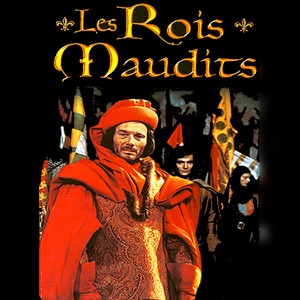
Speaking Ill of Kings: The Influence of Maurice Druon on ASOIAF (Part I)

Speaking Ill of Kings: The Influence of Maurice Druon on ASOIAF (Part I)

Image result for rois maudits

Introduction

Especially when discussing the more controversial aspects of ASOIAF, George R.R Martin will often point to history as a legitimizing factor – saying in essence if not outright that “this is how it was back then” – which has led to quite a few arguments from medievalists who point out that Martin’s world is far from the historical norm when it comes to some important issues.

To a…

View On WordPress